
February 4, 2016
This article originally appeared on the Isolator Fitness blog and is reposted here with permission. To view the original, click here.

Ideally to achieve maximum health we would eat only fresh, natural, organic foods and we would completely avoid processed or packaged options. But nothing is ideal in reality and so there are times that we must depend on the information that is provided to us through nutrition labels on packaged food items to determine which processed options are better than others. The nutritional values of fresh, natural and organic foods are also important to consider when deciding what to purchase and consume but these are not always as easily found.
Fresh, Natural, or Organic Foods

Fresh produce, beef, and seafood don’t come with nutritional labels printed out on them, but that doesn’t mean that the information isn’t out there and available for you if you decide to look. These nutritional facts will read much like the labels on your packaged food, except that in most cases you’ll find that what you’re consuming with natural foods is much healthier than what’s packed inside processed food. Some packaged food will read as “organic”, “all natural”, or “nothing artificial” but those are not what we’re talking about here. We’re talking about non-packaged and fresh fruits, vegetables, beef, chicken, pork, salmon, tilapia, etc.
Packaged Foods

Nutritional labels on packaged foods allow you to compare the calorie, fat, trans fat, saturated fat, cholesterol, sodium and sugar content in any given food. With that knowledge you are in an informed position to make the most accurate decision about which foods to stay away from due to higher levels of these ingredients.
To determine which foods are better for your specific and personal dietary choices it’s also important to peruse the ingredients list to see what additives and other ingredients are present. It is always better to choose options with ingredients that you have in your own kitchen, while avoiding the chemical additives. Often times the smaller ingredient lists and larger vitamin lists provide healthier content, but this is not always the case, and the lengths of these lists should only be considered one of many things to look at when reading a nutritional label.
Some packaged food will even say “organic”, “ natural”, or “no artificial ingredients” but many people don’t know what the difference is, so they end up buying the wrong products, for their personal dietary needs.
Packaging Term | What It Means |
Organic |
|
All Natural |
|
No Artificial Ingredients |
|
Making Sense Of Nutrition Labels

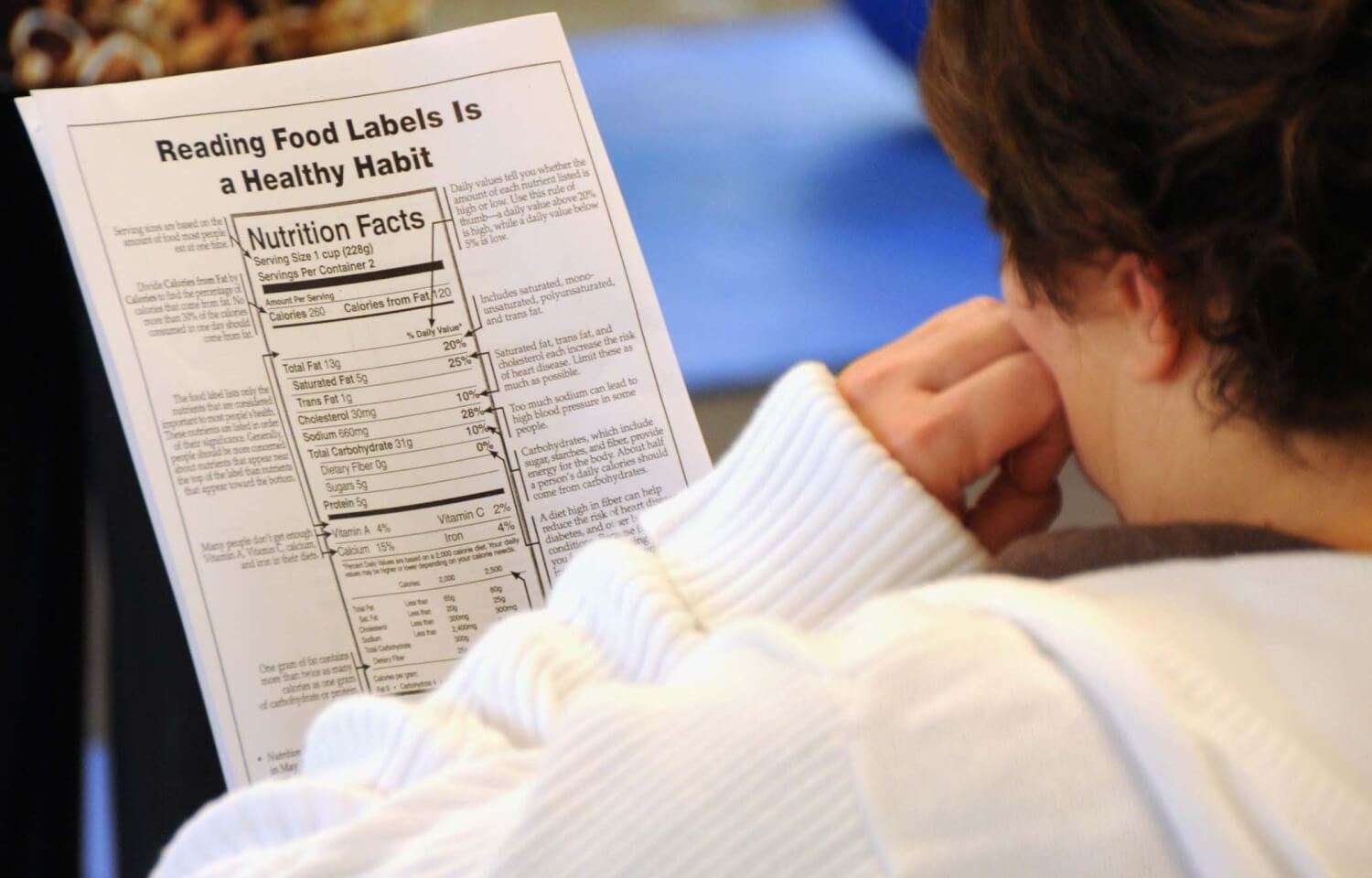
Although the information is laid out for you in a seemingly organized fashion, making sense of what you’re reading when looking at a nutritional label is not always an easy task. Many people don’t consume enough iron, calcium, fiber, or vitamins A and C, despite the fact that they are always included on the nutritional labels. Here are the main characteristics you should look at on a nutritional label and what they mean.
Chart Section | What It Tells You |
Serving Size |
|
Calorie Information |
|
Daily Value % |
|
Nutrients |
|
Vitamins & Minerals |
|
Footnote |
|
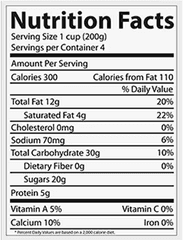
The footnote section is the best place to look for clarification if you’re confused about how much of a certain nutrient you should be consuming in any given day.There are also some commonly printed phrases printed on nutrition labels and packaged food containersthat be confusing if you don’t know what they mean. These are phrases that you should become familiar with so that you better understand what it is that you’re purchasing and eating. Here are a few of the most popularly printed phrases and what they really mean:
Phrase | What It Really Means |
No Fat/Fat Free | May contain some fat, as long as it’s less that ½ gram per serving |
Lower or Reduced Fat | Will contain at least 25% less fat per serving than the original food item |
Low Fat | Will contain less than 3 grams of fat per serving |
Lite | Will contain either ⅓ of the calories or ½ of the fat that would be found in the original food item |
No Calories/Calorie Free | May contain calories, as long as it’s less that 5 calories per serving |
Low Calories | Will contain no more than 50% of the calories per serving than the original food item |
Sugar Free | May contain some sugar, as long as it’s less that ½ gram per serving |
Reduced Sugar | Will contain at least 25% less sugar per serving than the original food item |
No Preservatives | Will not contain any preservatives (natural or chemical) |
No Preservatives Added | Will not contain chemically added preservatives. |
Low Sodium | Will contain less than 140 mgs of sodium per serving |
No Salt/Salt Free | May contain salt, as long as it’s less than 5 mgs of sodium per serving |
High Fiber | Will contain at least 5 grams of fiber (or more) per serving |
Good Source of Fiber | Will contain 2.5 grams to 4.9 grams of fiber per serving |
More/Added Fiber | Will contain at least 2.5 grams more fiber per serving than the original food item |